











A major new analysis of the 2026 devolved elections has found a significant presence of politicians with backgrounds in public affairs, policy and political staffing within both the newly elected Scottish Parliament and Welsh Senedd.
Published by political engagement platform Polimapper, The Senedd Class of '26 and Holyrood Class of '26 examine the backgrounds, demographics and professional experience of those elected to Holyrood and Cardiff Bay in May 2026.
The research finds that over a tenth of Members in both legislatures have previously worked in public affairs or policy roles for third party organisations.
More broadly, experience as a political staffer is heavily represented across both devolved bodies. In Scotland, more than a third of MSPs (35%) have previously worked as political staffers for MSPs, MPs, MEPs or political parties — with 37 of those 45 having worked specifically at Holyrood. In Wales, the equivalent figure is close to a quarter (23%).
Around a fifth of Scottish MSPs are identified as having spent the majority of their professional lives working in or around politics, double the level observed in the new Senedd.
For public affairs professionals, this concentration of political experience within the new intake has practical implications: many of the new members will arrive with an existing understanding of how advocacy works, as well as what stakeholder engagement looks like, both good and bad.
The reports also highlight the extraordinary scale of political change now reshaping both devolved institutions. In Wales, 70% of Senedd Members are newly elected, the largest turnover ever recorded in postwar British politics. At Holyrood, 49.6% of MSPs are new, the highest intake since the Scottish Parliament was established in 1999. Taken together with the 350 new MPs who arrived at Westminster following the 2024 general election, 481 of the 875 politicians representing the people of Great Britain (55% of the total) have changed in just two years.
Nathan Coyne, Managing Director, Polimapper, the political engagement and geo-advocacy platform behind the studies, said:
"For the growing number of organisations, charities, trade associations and businesses whose roles involve political engagement, the landscape has changed dramatically almost overnight. Entire new political generations are arriving at both Holyrood and the Senedd, creating enormous challenges for the sector in building new relationships and educating a new political class from scratch.
"The public affairs profession itself is well represented within both new legislatures — but that cuts both ways. These are members who will understand quickly when engagement is done well, and equally quickly when it is not.
"The Class of '26 reports are designed to give public affairs and advocacy professionals the insight they need to hit the ground running. Understanding who the new members are, where they have come from, and what has shaped their outlook is the foundation of effective political engagement — and that work needs to start now."
Scotland: A parliament transformed
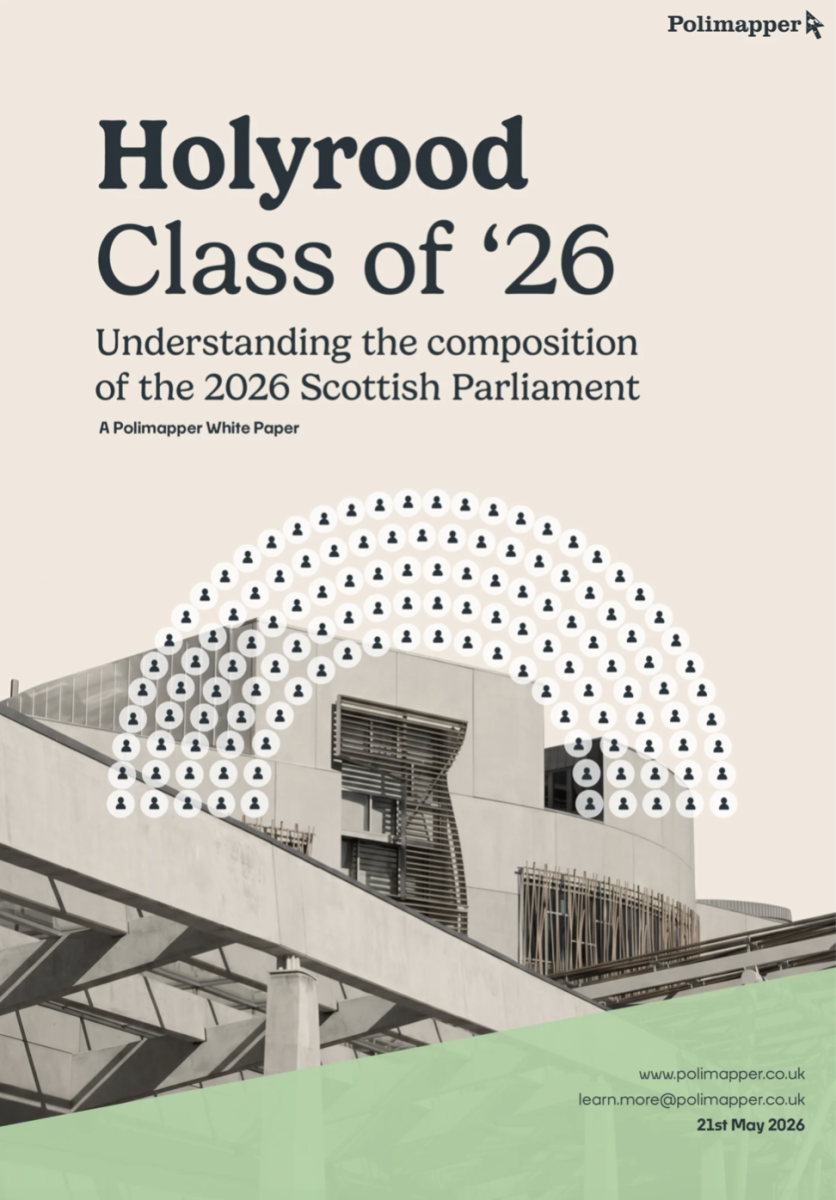 The SNP retains its position as the largest party at Holyrood with 58 MSPs (45%), but its share of the chamber is at its lowest since before the 2011 landslide.
The more dramatic stories lie elsewhere. The Scottish Conservatives, with just 12 MSPs, have reached their lowest ever level of representation. Labour holds 17 seats, a further decline from an already diminished position. Meanwhile, Reform UK has arrived at Holyrood for the first time with 17 MSPs, while the Scottish Greens have grown to 15 – nearly double their previous best.
The scale of change was driven by a record 42 retirements and a significant reshaping of the electoral map that saw a quarter of those who stood for re-election defeated. Only two MSPs, Jackie Baillie and John Swinney, have sat continuously at Holyrood since 1999.
Wales: The most dramatic result in devolved history
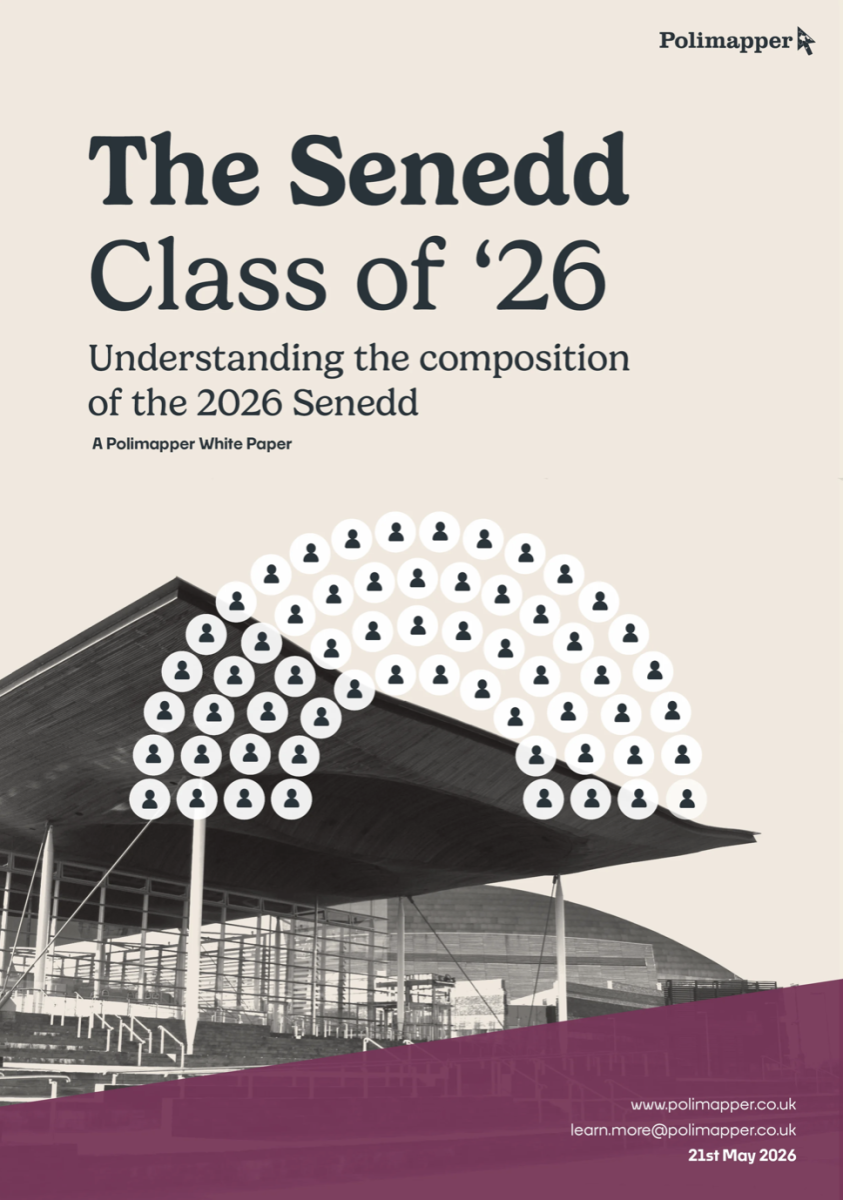
If Holyrood’s transformation was striking, the Senedd’s was seismic. Plaid Cymru has surged to 43 seats, 45% of the chamber and its highest share since devolution began.
Labour, which had held between 43% and 50% of seats in every previous Welsh election, has been reduced to just nine seats. Reform UK, contesting the Senedd for the first time, has taken 34 seats. Close to four in ten of the chamber’s members represent parties that had never won a Senedd seat before.
Three factors combined to produce this result: the expansion of the Senedd from 60 to 96 members, a record retirement rate among Labour MSs, and the defeat of 16 incumbents who stood for re-election. As at Holyrood, just two Members, Lynne Neagle and Elin Jones, have sat continuously since 1999.