










Next to election night, budget day is one of the most important for politicos. Who are the winners? Who are the losers? Trying to work out in real time what this document tells us about the future direction of government policy and more when it comes to Northern Ireland, figuring out how the decisions announced by the Chancellor of the Exchequer benefit the Executive.
Budget for Political Survival
Budgets are as much about politics as they are about the economy. This one was more political than most. The conventional wisdom at Westminster going in was that if this budget were a repeat of the last, it would just be a matter of when, not if, Rachel Reeves and Keir Starmer would be ousted from their leadership positions in the government.
The need for a big political win to satisfy disgruntled backbenchers and the markets was evident throughout Reeves's speech. She raised a mix of taxes to pay for increased spending and address some of Labour MPs' long-standing complaints. Removing the two-child limit was the most significant move in this budget, a big political win for not just the left of the parliamentary party but also high-profile campaigners such as Gordon Brown, who had urged the government to remove the cap.
On the flip side, all of us will be paying more taxes, with thresholds frozen for longer and growth set to remain low for the foreseeable future. The pain ahead for “working people” might well prove to be too much for many anxious backbenchers in marginal seats. This budget has gotten Reeves and Starmer over a hurdle, but it is hard to see how it dramatically improves Labour’s position ahead of the devolved elections in May 2026.
Northern Ireland
One noteworthy aspect of the budget speech that caught my eye was the emphasis on the devolved spending announcements. The Chancellor ensured that the spending announcement for Scotland was repeated and spent a bit of time outlining the increase for Wales. The Northern Ireland announcement was made quickly with little emphasis placed upon it. Part of the political goal of this budget was clearly securing Labour's faltering campaigns in Wales and Scotland.
Going into this budget, the Finance Minister, John O’Dowd MLA, has been warning of the Executive facing an overspend of £400 million. The announcement of this increase will provide some small support to the Executive. The bulk of the money will be used for day-to-day spending, with the rest going toward capital spending.
Fundamentally, this budget settlement helps the Executive partly overcome a financial hurdle, but long-term challenges remain. The DUP and Sinn Féin have strongly criticised aspects of this budget due to a mix of the tax rises and the investment coming toward the Executive.
Nothing Reeves announced on Wednesday changes the long-term fiscal problems for the Executive. Revenue raising is an issue that this budget slightly delays but does not avert. Any meaningful move on this file ahead of the 2027 Assembly Election is now likely not to happen. However, unless there is a fundamental policy change from Westminster, it is clear that substantial amounts of money are not coming our way.
The Budget of 2025 might well be seen in history as the one where difficult political and economic decisions were delayed. For the Labour government, it gets the Prime Minister over a political hurdle, and for the Executive, it helps tinker around the edges of some of the immediate fiscal challenges. Yet neither are properly sorted in the long term.
In Northern Ireland, the next big moves on the fiscal agenda are securing multi-year budgets and advancing devolution of fiscal powers. Neither was cited in the budget speech. The slow burn of reform on both will have to be priorities following the 2027 elections.
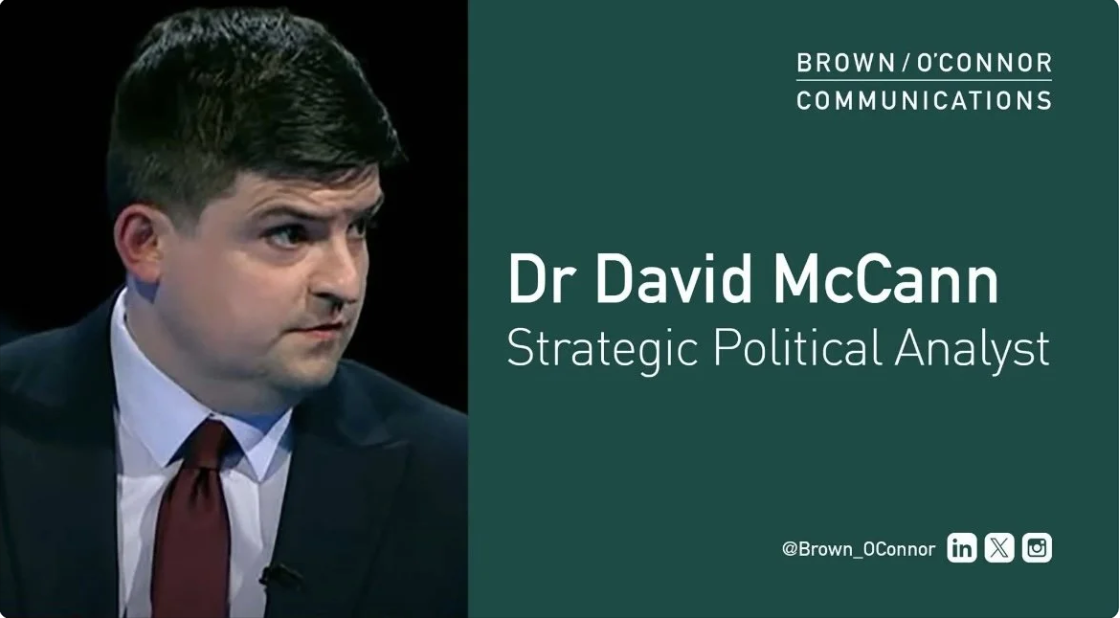
by David McCann, Strategic Political Analyst at Brown O’Connor Public Affairs